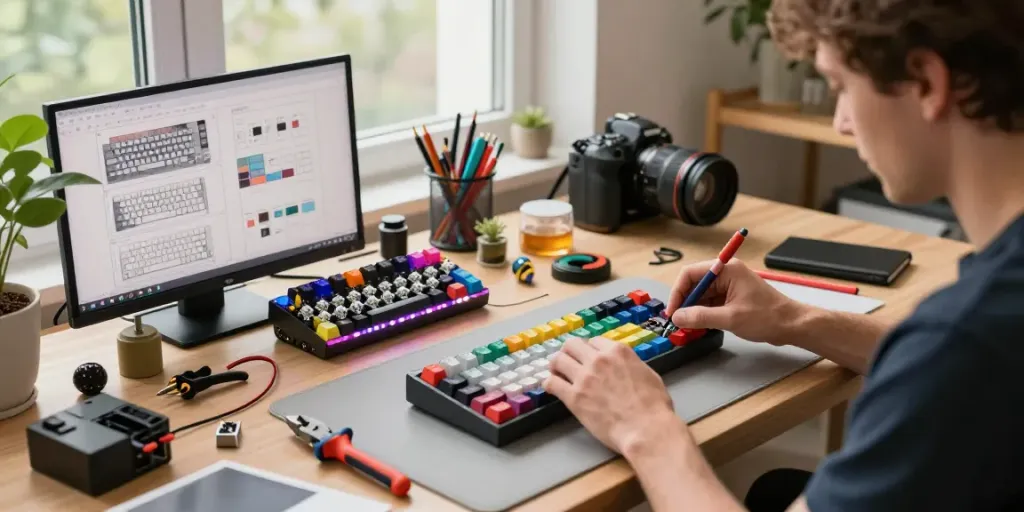
The Importance of Customization in Mechanical Keyboards
In recent years, the world of mechanical keyboards has evolved significantly, with enthusiasts and gamers alike seeking devices that not only perform well but also reflect their personal style. Customization is at the heart of this movement, allowing users to build keyboards that feel uniquely theirs. At the forefront of this trend is the H60 case for Wooting, a product designed specifically to integrate high-performance technology with customizable aesthetics. When exploring options, H60 case for Wooting provides comprehensive insights into how you can build a keyboard that not only functions optimally but also aligns with your individual preferences.
Why the H60 Case for Wooting Stands Out
Understanding the significance of the H60 case for Wooting begins with its precision engineering. Designed specifically for the Wooting line of keyboards, this case offers a blend of durability and style. The case accommodates various key switch types and provides ample space for customization. Furthermore, the construction materials are selected to enhance both the tactile feedback and sound profile, ensuring that each keystroke is a rewarding experience.
Benefits of Personalizing Your Setup
Personalizing your mechanical keyboard setup goes beyond mere aesthetics; it enhances your overall typing experience. Here are several benefits:
- Enhanced Performance: Tailoring your keyboard with specific switches can drastically improve responsiveness and typing comfort.
- Unique Style: Custom keycaps and cases allow you to express your personality through color and design, making your keyboard a centerpiece of your setup.
- Improved Ergonomics: Custom layouts and key placements can lead to better posture and less wrist strain.
- Community Engagement: Joining the custom keyboard community fosters connections with like-minded individuals, offering opportunities for collaboration and learning.
Common Misconceptions About Custom Keyboards
Despite the growing popularity of custom keyboards, several misconceptions persist. One common myth is that building a custom keyboard is excessively complex and requires advanced technical skills. While there is a learning curve, many resources are available that simplify the process. Additionally, the perception that custom keyboards are only for gamers overlooks their utility for professionals who benefit from a tailored typing experience.
Understanding the H60 Case: Features and Compatibility
The H60 case for Wooting is more than just a protective shell; it's a vital component of your keyboard build. Understanding its features can help you make an informed decision when selecting parts for your custom setup.
Design Elements of the H60 Case for Wooting
The H60 case is characterized by its sleek, minimalist design that complements modern aesthetics while providing robust protection. Key design elements include:
- Aluminum Construction: Lightweight yet sturdy, the aluminum body ensures durability and stability during use.
- Customizable Lighting Options: Many H60 cases allow for integrated RGB lighting, enhancing visual appeal and providing a personalized atmosphere.
- Compatibility: Specifically designed to fit Wooting keyboards, the case accommodates various PCB layouts, ensuring a snug fit for maximum performance.
How the H60 Integrates With Different Key Switches
The H60 case is versatile, supporting a variety of key switches, including the renowned Hall Effect and mechanical switches found in Wooting keyboards. This compatibility allows users to experiment with different switch types, optimizing their typing experience based on personal preferences.
Comparing the H60 Case to Other Options in the Market
When considering options for a keyboard case, the H60 stands out for its combination of quality materials, design compatibility, and user feedback. While alternatives like the Holy60 or Alumaze60 offer appealing features, they may lack the specific enhancements engineered for the Wooting series. In contrast, the H60 case’s integration with Wooting technology ensures that it maximizes the performance potential of the included components.
Building Your Keyboard: A Step-by-Step Guide
Putting together a custom keyboard can be an exciting project, especially when utilizing the H60 case for Wooting. Follow this guide to construct your own:
Essential Tools You Need for Assembly
Before you start assembling your keyboard, gather the following essential tools:
- Phillips and Flathead Screwdrivers: Necessary for securing components.
- Soldering Iron: If you are using a PCB that requires soldering switches.
- Keycap Puller: To easily remove keycaps without damaging them.
- Switch Puller: Useful for swapping out switches without excessive force.
Choosing the Right Keycaps for the H60 Case
Selecting keycaps can significantly impact both the look and feel of your keyboard. When choosing keycaps, consider:
- Material: PBT keycaps offer durability, while ABS keycaps provide a wider range of colors.
- Profile: Keycap profiles, such as SA or DSA, can affect typing comfort and style.
- Theme: Match your keycaps to your overall setup for a cohesive look.
Installing Switches: Tips and Techniques
Installing the switches into the H60 case requires precision. Here are some tips:
- Align Switch Pins: Ensure that the pins are correctly aligned to prevent bending.
- Apply Even Pressure: When pressing down the switches, ensure even pressure for a secure fit.
- Test Functionality: Before securing the case, test all switches to confirm they function correctly.
Maintaining Your Custom Keyboard for Longevity
To keep your custom keyboard, especially one built with the H60 case for Wooting, in optimal condition, regular maintenance is essential.
Cleaning and Care Tips for Your H60 Case
Regular cleaning can enhance the longevity of your H60 case. Here are some effective cleaning tips:
- Dusting: Use a microfiber cloth to dust off the surface regularly.
- Deep Cleaning: For a thorough clean, disassemble your keyboard and use isopropyl alcohol to clean individual components.
- Keycap Care: Remove keycaps and soak them in warm soapy water for a deep clean.
Replacing Key Switches: When and How?
Over time, you may wish to replace key switches due to wear or personal preference. Here’s how:
- Remove Keycaps: Use a keycap puller to safely remove your keycaps.
- Desoldering: If applicable, desolder the old switches from the PCB carefully.
- Install New Switches: Solder new switches in place, ensuring they are aligned correctly.
Keeping Your Keyboard Aesthetically Pleasing
Maintaining the visual appeal of your keyboard can enhance your workspace. Consider these aesthetic tips:
- Themed Keycaps: Choose keycaps that match your personal style or overall desktop theme.
- Lighting Customization: If your H60 case supports RGB lighting, experiment with different settings for unique effects.
- Regular Updates: Don’t hesitate to refresh your setup with new keycaps or accessories to keep it engaging.
The Future of Custom Keyboards: Trends to Watch for in 2026
As technology advances, the landscape of custom keyboards is poised for exciting developments. Here’s what we might expect in the near future:
Emerging Technologies in Keyboard Design
From modular designs to improved connectivity, emerging technologies are set to transform the keyboard experience. For instance, innovations in switch technology, such as optical and magnetic switches, promise enhanced response times and customization options.
Community Innovations and DIY Trends
The DIY keyboard community continues to thrive, encouraging innovations like custom layouts and unique cases. As more individuals share their builds online, the wealth of ideas and inspiration will continue to grow.
Predictions for the Next Generation of Keyboards
Looking ahead, we can predict keyboards that seamlessly integrate with software for personalized key mappings and macros. Additionally, advancements in materials may lead to even lighter, more durable cases that maintain aesthetic flair while offering performance benefits.
What makes the H60 case for Wooting unique?
The H60 case for Wooting is specifically designed to fit the specifications of Wooting keyboards, providing an optimal fit for enhanced performance. Its aluminum construction not only offers durability but also adds a premium look that many other cases lack.
Are there any downsides to customizing keyboards?
While customization offers numerous advantages, it can require a significant investment of time and money. Additionally, assembling a custom keyboard may come with a learning curve that could deter some users initially.
How can I find compatible parts for the H60 case?
Finding compatible parts is relatively easy, especially with an active community around custom keyboards. Websites, forums, and local meetups can be great resources for identifying which key switches and keycaps fit the H60 case.
What tools do I need to build a custom keyboard?
The basic tools needed include screwdrivers, a soldering iron (if soldering is required), and keycap pullers. Additionally, a work surface and some organization tools for screws and small parts can enhance your building experience.
How can I join the custom keyboard community?
Joining the custom keyboard community can be as simple as participating in forums, attending local meetups, or joining online groups dedicated to keyboard building. Engaging with others not only enhances your knowledge but also connects you with fellow enthusiasts.