Understanding Motion Control AI Technology
As the digital landscape evolves, the intersection of artificial intelligence and animation offers unprecedented possibilities for creators. Motion control AI is not just a buzzword; it’s a transformative tool that redefines how we perceive and create motion in multimedia content. This innovation, particularly evident in tools like Kling 2.6, utilizes advanced algorithms to streamline the animation process, making it accessible even for those with minimal technical expertise. When exploring options, motion control ai offers comprehensive insights into powerful applications that can enhance the creative workflow significantly.
What is Motion Control AI?
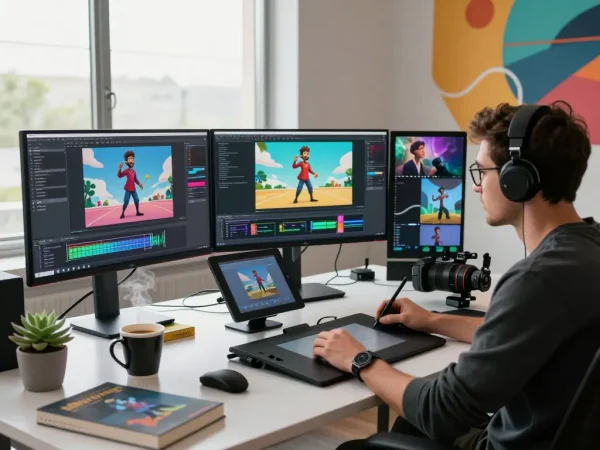
Motion control AI harnesses artificial intelligence to automate the generation and manipulation of motion in visual content. Unlike traditional animation techniques that rely heavily on keyframes and manual adjustments, motion control AI can analyze a video or reference material to create fluid, lifelike animations with minimal user input. This technology uses sophisticated machine learning algorithms to understand the nuances of motion, including speed, timing, and the physics of movement, thus allowing for more realistic and dynamic animations.
Key Features of Kling 2.6 Motion Control AI
Kling 2.6 stands out among its peers due to several key features that enhance its usability and output quality. These include:
- Real-Time Motion Transfer: Kling 2.6 can transfer motion from live-action video to animated characters seamlessly, eliminating the need for complex manual keyframing.
- Full-Body Precision: The system ensures realistic movements throughout the body, capturing details like limb orientation and subtle gestures to create an authentic user experience.
- Orientation Modes: Users can choose between Match Video Orientation and Match Image Orientation, allowing for flexible integration of motion into varying narrative styles.
- Extended Animation Length: Kling 2.6 supports animations of up to 30 seconds, which is ideal for storytelling, promotional content, and dynamic social media posts.
Benefits of Automation in Animation
The benefits of using motion control AI, especially with tools like Kling 2.6, are manifold. Primarily, automation drastically reduces production time. Creators can focus on storytelling and creative direction rather than spending hours on technical details. Furthermore, the improved accessibility means that individuals without extensive animation backgrounds can create high-quality animated content rapidly. The reduction in manual work also results in fewer errors, producing more polished final products, particularly in environments where speed and consistency are vital.
How to Get Started with Kling 2.6 Motion Control
Essential Tools and Software Requirements
Before diving into the world of Kling 2.6 Motion Control, it is important to ensure you have the appropriate tools at your disposal. Essential requirements include:
- A compatible computer with sufficient processing power to handle AI tasks.
- Reliable internet connection for software updates and cloud-based functionalities.
- Access to the Kling AI dashboard where you can manage your projects and settings.
Step-by-Step Guide to Using Motion Control AI
Using Kling 2.6 Motion Control is straightforward. Follow these steps to create your first animated video:
- Gather Your Assets: Collect a still image of the character you wish to animate and a video that showcases the desired motion.
- Access the Dashboard: Log in to your Kling AI account and navigate to either Image-to-Video or Motion Control sections.
- Select Generating Model: Ensure Kling 2.6 is chosen as your generation model for the highest quality output.
- Input Orientation: Choose between Match Video Orientation and Match Image Orientation based on your creative intent.
- Preview and Generate: Customize the scene further, then generate your animation, ensuring to review all settings and inputs for optimal results.
Optimizing Your Input Files for Best Results
To achieve the best results with Kling 2.6 Motion Control, the quality of your input files is paramount. Ensure that your still image is high-resolution and clearly depicts the character with distinct features. The reference video should be clean, unobstructed, and ideally feature clear movements that the AI can analyze effectively. Consider the aspect ratio of your files as well, aiming for uniformity to avoid distortion in the final product.
Use Cases for Motion Control AI in Creative Projects
Animating Social Media Content Effectively
Social media platforms thrive on dynamic and engaging content. Motion control AI can help creators produce short, captivating animations that resonate with audiences. For instance, TikTok and Instagram content can greatly benefit from the fluid motion capabilities of Kling 2.6, allowing users to create trendy dance videos or storytelling clips with ease.
Applications in Film and Entertainment
The film industry is increasingly integrating AI-driven technologies for visual effects and animation. Kling 2.6 can be employed for in-scene character animations, creating immersive experiences without extensive post-production hours. This tool not only speeds up the animation process but also enhances creativity by enabling filmmakers to focus on narrative rather than technical constraints.
Innovative Marketing Strategies Using Motion Control AI
Brands can leverage motion control AI to create unique marketing content that stands out in a crowded digital marketplace. By animating promotional graphics and blending them with real-life footage, companies can develop engaging advertisements that capture attention. This innovation can lead to higher engagement rates, improving overall marketing ROI.
Common Challenges and Solutions
Handling Distorted Animations and Rigging Issues
One of the common issues when working with motion control AI is the distortion of character limbs or unnatural movements. This typically arises from poorly aligned inputs or occlusions in the reference video. To mitigate these problems, ensure that your input video features clear, unobstructed views of the subject’s movements. Carefully matching the poses in your still image with the initial frames of the reference video can significantly enhance the quality of the animation.
Choosing the Right Orientation Mode for Your Project
The orientation mode selected in Kling 2.6 can drastically change the appearance and behavior of the animation. Creators should consider their project goals carefully—whether they aim for a fixed camera effect or a more dynamic interaction based on the motion reference. Testing out both modes can yield insights on which best suits the intended output.
Efficient Editing and Refinement Techniques
Editing animated content can be just as crucial as the initial creation phase. Kling 2.6 allows for background enhancements, lighting adjustments, and even audio integration to improve the overall production quality. Emphasizing thorough review and iteration during the editing phase can lead to polished final outputs that are ready for distribution.
Future Trends of Motion Control AI in 2026
Emerging Technologies Enhancing Animation Quality
As we move forward, the future of motion control AI looks promising with ongoing advancements in machine learning and image processing technologies. Innovations such as deeper neural networks and enhanced real-time processing capabilities are set to further refine how motion is captured and translated onto digital platforms, paving the way for even greater realism and efficiency in animation.
Predictions for User Adoption and Market Growth
With the increasing democratization of animation tools, user adoption of motion control AI technologies is set to rise. More individuals and businesses will explore these tools to create high-quality animations without the need for extensive training or financial investment in traditional animation methods. This trend is anticipated to bolster the market growth and establish motion control AI as a staple in various creative industries.
Integrating Motion Control AI with Other Creative Tools
The future will likely see more integration of motion control AI with other creative software. This synergy could offer users a streamlined workflow, combining the power of animation control with graphic design and video editing tools. Such advancements will continue to empower creators at all levels, enabling a more interconnected, efficient creative process.
What types of motion can Kling 2.6 Motion Control manage?
Kling 2.6 can handle a wide variety of motions, including walking, running, and complex dance choreographies. Its capability to precisely replicate these movements from reference videos makes it incredibly versatile for various applications.
Is Kling 2.6 Motion Control free to use?
While Kling AI provides limited access for free users, ongoing use typically requires a paid subscription or purchasing credits to unlock advanced features and capabilities.
How does Motion Control AI compare to traditional animation methods?
Motion control AI significantly reduces the time and resources needed for animation compared to traditional methods, making the creative process more accessible. By automating motion generation from reference videos, creators achieve higher quality results without extensive manual effort.